Repeatedly...Circus is Turning Obstacles into Strength
Circus as an art form has survived though centuries of change because of perpetual reinvention, and people who believe in its magic.
Englishman Philip Astley is credited with pioneering Western circus as we know it, and the story lives on as an anecdote of the resilience and creativity of circus as an art form, a spirit which continues to this day.
In the mid 18th century, Astley began performing his equestrian trick-riding skills in shows he put alongside his wife, Patty. Soon his shows grew to include other artists with different skills, to fill the gaps between equestrian acts. There were jugglers, acrobats, wire walkers and even comedy/clowning interludes.
His vision to blend different skills into one show for maximum entertainment became the foundation of the variety act structure we still see in circuses today.
But the story of innovation doesn’t end there.
Astley’s circus in London became so popular, that he went on to establish his circus in Paris. However, he was met with extremely rigid entertainment regulations of the time. In Paris, each venue was granted permission to perform their specific act only. Astley had permission to perform trick-riding, but the acrobatics, juggling and speech elements that he had become famous for were all explicitly forbidden, having been licensed to other venues.
So, he started another tradition that circus artists are still famous for today.
He pivoted.
He began embedding non-licensed acts within horse-based performances. Now, instead of an equestrian act followed by a juggling act, audiences were seeing an equestrian display that happens to include juggling-like skills.
This blurred his category enough to sidestep the law.
It was the moment in history when circus distinguished itself from other genres of entertainment. Which began a long tradition of developing original hybrid acts, and exposed the limits of neatly separating art forms.
To this day in circus, our obstacles can become strength.
Today’s emerging artists are facing the barriers of our modern world, and for some, the cost of living is the obstacle to being able to innovate and grow the way Astley did.
You can become part of their story, and continue the tradition of the circus community turning obstacles to strengths.
Give the next generation of Australian circus performers what they need to bring circus to new heights.
Support them through our Student Hardship Fund.

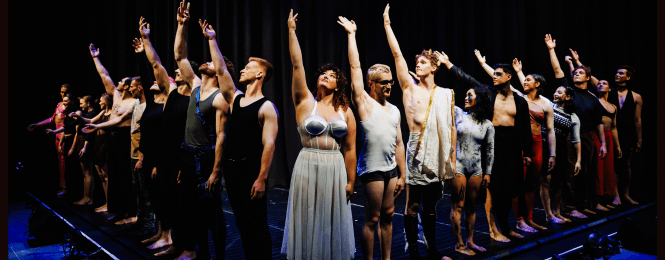
Circus students today are already breaking the norm of what society expects of them by choosing to pursue study to become experts in their area of passion.
Every day, our students give everything to circus - their bodies, hearts, and futures. But essential training equipment and basic needs can become their obstacles.
--
NICA is a registered charity - consider a gift this EOFY. All donations over $2.00 are tax-deductible.
Images by Daniel Rabin and Cameron Grant
References:
Hoofing It! Ballet on Saddle and Stage at Astley's Circus - Theatre Heritage Australia
Philip Astley - Circopedia
Astley's Olympic Pavilion | London | TheatreCirque.co
History of Circus: From Ancient Roots to Controversial Sensation | TheCollector
Philip Astley's 1786 Circumvention of a Parisian Theatre Regulation | Theatre Research International | Cambridge Core
Published 21 May 2026